%2Ffit-in%2F250x250%2Fguide_websites%2F30829%2Fimages%2F17470831387499927413d-8d83-41d4-8974-9aaf4773b110.png&w=1920&q=100)
Freshwater Catch Display Rogers AR Fishing
Freshwater Fishing in Rogers - What to Expect
%2F%2Fusers%2F99e709a9-b686-4e2c-b186-570fb078f644%2Fimages%2Frogers-ar-fishing-catch-display-2822.jpg&w=1920&q=75)
Guided Fishing Trip by Guide Lance Hughey in June
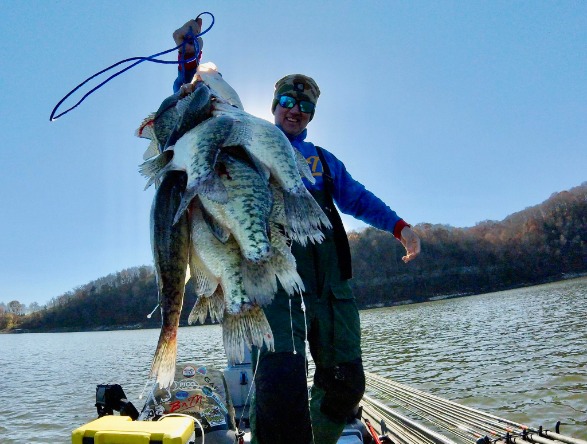
- Guided Crappie Fishing in Beaver Lake



Summary
Join Guide Lance Hughey of Lance Hughey Crappie Guide Service for a guided fishing trip on Wednesday, June 17th. This freshwater fishing adventure in Rogers, AR showcases successful catch results and expert local knowledge on Beaver Lake, helping anglers understand species behavior and proven fishing techniques.
Freshwater Fishing with Lance Hughey - Rates & Booking
Guide Lance Hughey of Lance Hughey Crappie Guide Service on Wednesday, June operates guided fishing trips on Beaver Lake in Rogers, Arkansas. This freshwater fishing experience provides hands-on instruction and access to proven fishing grounds. Anglers of varying skill levels benefit from local expertise and personalized guidance.
To reserve your guided fishing trip, contact Lance Hughey Crappie Guide Service directly. Local guides provide the equipment knowledge and fishing techniques needed to maximize your time on the water.
Highlights of the Guided Fishing Experience
Beaver Lake offers diverse freshwater fishing opportunities in a scenic northwest Arkansas setting. Successful catches depend on understanding seasonal patterns, water conditions, and species habitat preferences. The clean display shown reflects quality catch preparation and proper fish handling techniques that guide services emphasize.
Guided trips provide structured learning opportunities where anglers observe proven methods, understand why certain techniques work, and develop skills applicable to future independent fishing outings.
Freshwater Fishing Experience on Beaver Lake
Beaver Lake spans over 28,000 acres across multiple counties in northwest Arkansas, creating varied habitat zones for freshwater species. The lake's structure includes creek channels, shallow flats, and deeper pool areas that support different fish populations throughout seasonal cycles. Understanding these environmental features helps explain why successful anglers focus on specific locations and depths.
Freshwater fish behavior changes with water temperature, daylight hours, and seasonal reproduction cycles. Spring and early summer typically bring active feeding patterns as water temperatures rise. Fish move to shallow areas for spawning, making them more predictable for anglers who understand these biological patterns. Guides like Lance Hughey use this knowledge to identify productive fishing spots and select appropriate techniques for current conditions.
Proper fish handling and display practices matter for both catch preservation and photo documentation. Clean surfaces and organized presentation reflect professional guide standards and respect for the resource. Learning correct handling methods protects fish quality and demonstrates sustainable fishing practices that benefit the resource long-term.