%2Ffit-in%2F250x250%2Fguide_websites%2F30829%2Fimages%2F17470831387499927413d-8d83-41d4-8974-9aaf4773b110.png&w=1920&q=100)
/users/99e709a9-b686-4e2c-b186-570fb078f644/ratecard/530396964_733006096307401_4332047978548692789_n-mf82zeaw.jpg)
%2F300x300%2Fusers%2F99e709a9-b686-4e2c-b186-570fb078f644%2Fratecard%2F530396964_733006096307401_4332047978548692789_n-mf82zeaw.jpg&w=256&q=75)
%2F300x300%2Fusers%2F99e709a9-b686-4e2c-b186-570fb078f644%2Fimages%2Ffishing-successes-arkansas-3024.jpg&w=256&q=75)
%2F300x300%2Fusers%2F99e709a9-b686-4e2c-b186-570fb078f644%2Fimages%2Fwhite-crappie-arkansas-catch-2998.jpg&w=256&q=75)
%2F300x300%2Fusers%2F99e709a9-b686-4e2c-b186-570fb078f644%2Fimages%2Fscenic-fishing-rogers-2464.jpg&w=256&q=75)
%2F300x300%2Fusers%2F99e709a9-b686-4e2c-b186-570fb078f644%2Fimages%2F5-white-crappie-fishing-ar-3212.jpg&w=256&q=75)
%2F300x300%2Fusers%2F99e709a9-b686-4e2c-b186-570fb078f644%2Fimages%2F3-fish-caught-ar-2869.jpg&w=256&q=75)
%2F300x300%2Fusers%2F99e709a9-b686-4e2c-b186-570fb078f644%2Fimages%2Ffour-white-crappie-rogers-3305.jpg&w=256&q=75)
%2F300x300%2Fusers%2F99e709a9-b686-4e2c-b186-570fb078f644%2Fimages%2F3-crappie-rogers-fishing-3078.jpg&w=256&q=75)
%2F300x300%2Fusers%2F99e709a9-b686-4e2c-b186-570fb078f644%2Fimages%2Fwhite-crappie-fish-ar-3069.jpg&w=256&q=75)
%2F300x300%2Fusers%2F99e709a9-b686-4e2c-b186-570fb078f644%2Fimages%2Fbest-white-crappie-catch-ar-3145.jpg&w=256&q=75)
%2F300x300%2Fusers%2F99e709a9-b686-4e2c-b186-570fb078f644%2Fimages%2Fthree-white-crappie-ar-2842.jpg&w=256&q=75)
Family-Friendly Crappie Fishing on Beaver Lake
 Beaver Lake
What you will be catching:
 Crappie
- 6-hour family crappie fishing adventure on Beaver Lake
- Professional guide service with fully equipped 19-foot Ranger boat
- All fishing gear provided, accommodates up to 3 guests
Trip Pricing and Availabilities:
Slab Crappie Action on Beaver Lake
Ready for some serious crappie fishing with the family? Lance Hughey's got you covered on beautiful Beaver Lake. This half-day trip is all about putting you on the fish while soaking up quality time on the water. Whether you're teaching the kids or looking to fill the cooler, Lance knows every hotspot and technique to make it happen. Hop aboard his decked-out Ranger, and let's go chase some slabs!
What to Expect on the Water
Your 6-hour adventure kicks off bright and early when you meet Lance at the marina. He'll already have the boat prepped and loaded with all the gear you need - we're talking top-notch rods, reels, and a tackle selection that would make any crappie shake in its scales. The 19-foot Ranger is a stable fishing platform with plenty of deck space, perfect for up to 3 anglers to cast comfortably. Lance's expert knowledge of Beaver Lake means you'll be on the fish in no time, targeting brush piles, submerged timber, and other crappie honeyholes.
This trip is ideal for families, with a pace that keeps things exciting for the kids while giving adults a chance to relax and enjoy the scenery. Lance is a pro at working with anglers of all skill levels, so don't worry if you're new to crappie fishing - you'll be jigging like a pro by the end of the day. Just remember to grab your Arkansas fishing license before the trip, and pack some snacks and drinks to keep everyone fueled up for the action.
Crappie Catching Know-How
Lance's boat is rigged with cutting-edge electronics to pinpoint those crappie schools, but it's his time-tested techniques that really put fish in the boat. You might start off spider rigging, a method where multiple rods are set out from the boat's bow like spider legs, allowing you to cover more water and depth ranges. As the day heats up, you might switch to vertical jigging, dropping lures right into submerged cover where the big slabs are hiding.
Depending on the season and fish behavior, Lance might have you tossing small jigs or minnows around boat docks or trolling with crankbaits. He's always got a few tricks up his sleeve, like using light line and sensitive rods to detect those notoriously light crappie bites. Don't be surprised if he breaks out some local "secret weapons" - certain color combos or unique jig styles that Beaver Lake crappie just can't resist.
Species You'll Want to Hook
Crappie are the stars of the show on Beaver Lake, and for good reason. These pan-sized powerhouses put up a great fight on light tackle and taste amazing in the frying pan. Beaver Lake is home to both black and white crappie, each with its own quirks and habits.
Black crappie tend to hang out in slightly deeper water and around more complex cover. They're often a bit larger than their white cousins, with darker, more mottled patterns that help them blend into woody structure. Spring is prime time for black crappie, when they move shallow to spawn and become more aggressive.
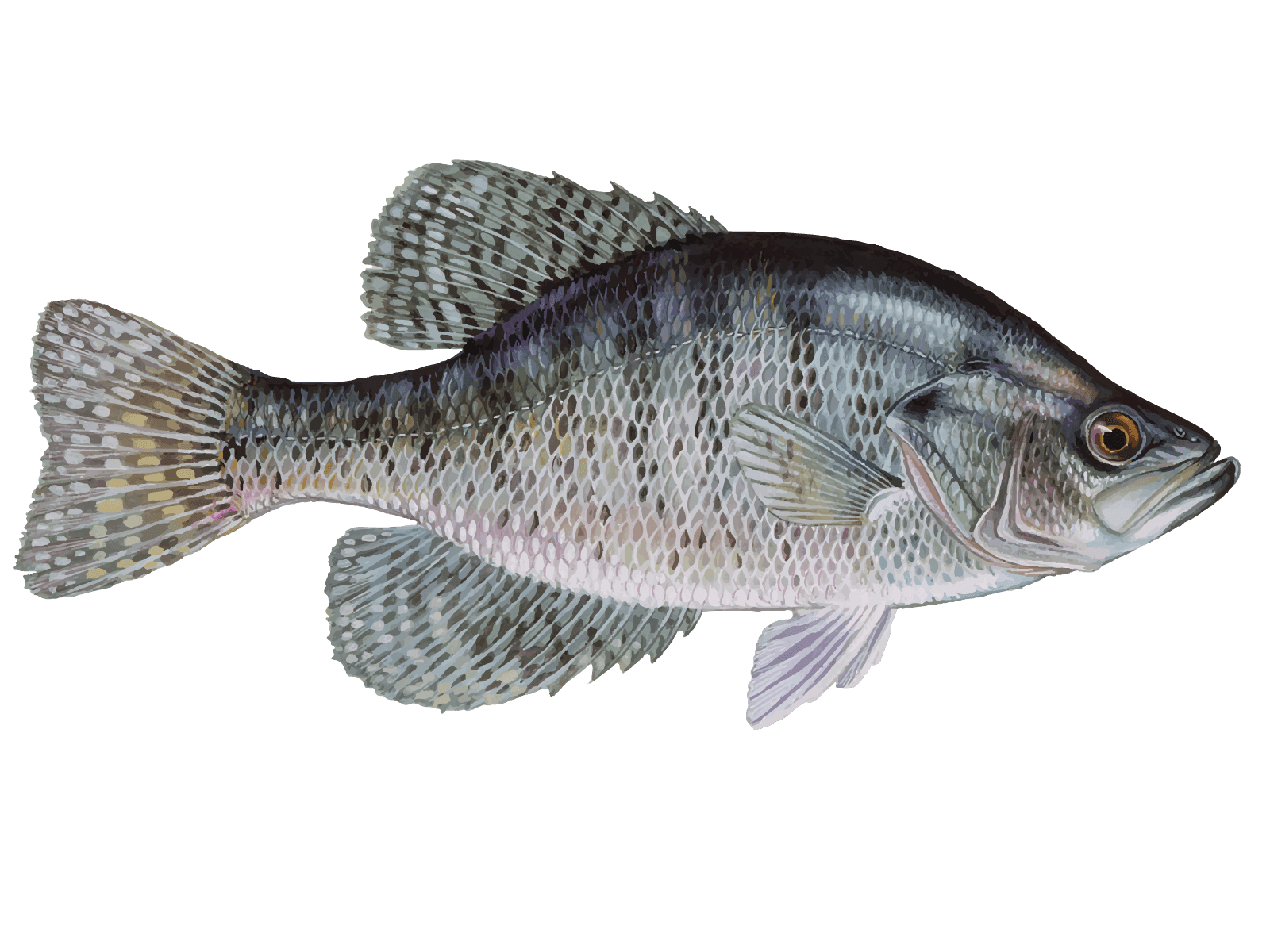
White crappie, on the other hand, are often found in slightly more open water and can be a bit more nomadic. They're known for their distinctive vertical bars and tend to school up more tightly than black crappie. White crappie often feed more actively in low light conditions, making early morning and evening prime time to target them.
Both species can grow to impressive sizes in Beaver Lake, with fish over a pound (known as "slabs" to crappie enthusiasts) being a real possibility. The lake record stands at over 3 pounds, so there's always a chance at a true trophy. Crappie are known for their light, almost ghost-like bite, which makes detecting and setting the hook a fun challenge for anglers of all skill levels.
Why Anglers Keep Coming Back
Beaver Lake isn't just a top-notch crappie fishery - it's a scenic playground surrounded by the beautiful Ozark Mountains. As you're casting for crappie, you'll be treated to views of limestone bluffs, wooded shorelines, and maybe even some local wildlife like bald eagles or ospreys hunting for their own fish dinner.
The lake's clear waters make it perfect for sight fishing in the shallows during spawning season, adding an exciting visual element to your crappie pursuit. And let's not forget the eating - there's nothing quite like a fresh crappie fillet, lightly battered and fried to crispy perfection. Many anglers consider crappie the best-tasting freshwater fish around, so be sure to keep a few for the dinner table (within legal limits, of course).
Lance's local knowledge means you're not just fishing, you're getting an insider's tour of Beaver Lake. He knows the history, the landmarks, and all those little details that turn a good fishing trip into a great lake experience. It's the kind of day that has families booking return trips year after year.
Time to Book Your Spot
If you're itching to get out on Beaver Lake and fill the livewell with some slab crappie, Lance Hughey's half-day trip is the way to go. It's the perfect blend of serious fishing action and family-friendly fun, all guided by a local expert who knows these waters like the back of his hand. Remember, spring and fall are peak seasons for Beaver Lake crappie, so those dates can fill up fast.
Don't let the big ones get away - reach out to Lance and lock in your trip today. Whether you're a seasoned crappie chaser or looking to introduce the kids to the joys of fishing, this is the adventure you've been waiting for. Just be warned: once you've experienced the thrill of Beaver Lake crappie fishing, you might find yourself planning your next trip before you even get off the water!
Learn more about the animal
Crappie
Crappie (Poxomis)
Crappies are game fish and the largest members of the Centrarchidae family. They are present in nature as Black Crappie (Poxomis nigromaculatus) or and White Crappie (Poxomis annularus). Both the species are similar to each other, apart from few distinctions. White crappie will have vertical bars running the length of their body, and black crappie will have no discernible pattern and will just be speckled, hence their nickname, “specks". White crappie has 5-6 spines, and black crappie has 7-8 spines. Anglers often differentiate the two by body shapeGrenade Lake, Mississippi, and Reel foot Lake are considered among giant crappie lakes.
Crappie Habitat and Distribution
Both the crappies have a similar habitat, though black crappie prefers clearer water than white crappie. These fishes can be found in rivers, lakes, and backwater pools swimming in shallow waters or hiding among bushes, vegetation, or other covers.
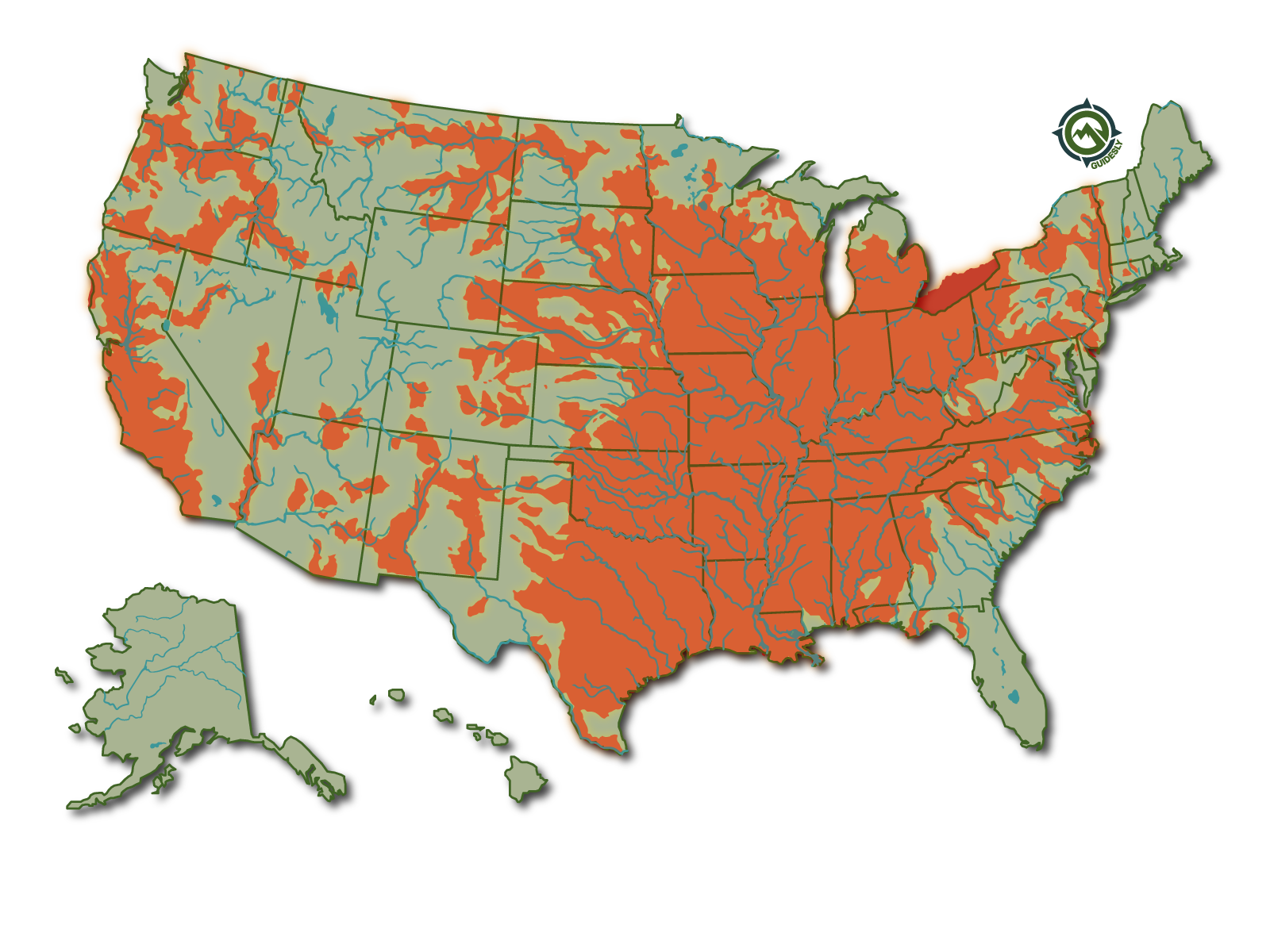
Crappie is native to Canada and the eastern States. It is a much-enjoyed game fish in North America and inhabits the Great Lakes, Hudson Bay, and the Mississippi River Basins.
Crappie Size and Weight
Crappie can be 7-12 inches long and weigh about 0.5-1 pounds.
Crappie Interesting Facts
Crappie is known for its tasty and white meat.
- Both Poxomis nigromaculatus and Poxomis annularus are less active during the day.
- Both the fishes have a different number of dorsal fin spines. White Crappie has 6 while Black Crappie has 7 or 8.
- Mouth of Black Crappie is larger and reaches mid-eye and has a resemblance to largemouth bass.
- Crappie travels in schools.
- Female lays 5000-60000 eggs.
- Crappie can live for 7 to 10 years.
Is Crappie Good to Eat?
Despite its name, crappie is an excellent source of nutrition, containing high amounts of protein and essential omega-3 fatty acids. Although it's not as popular as salmon or tuna, crappie can be a delicious addition to any healthy diet. They are known for their delicate taste and ease of preparation.
When cooked properly, crappie has a delicate flavor and flaky texture, making it perfect for grilling, frying, or baking. Moreover, because they are smaller fish than other common species, such as bass or catfish, the chances of mercury contamination in their flesh are much lower.
Crappie Spawning
Crappie spawning season begins in early spring and summer when the water temperature is 62 F-68 F. Male builds the nest in soft or gravelly spots, the female lays the eggs, and the male guards the nest. Eggs take 2 to 5 days to hatch.
Crappie Food
Depending on the age, Crappie victims consist of zooplankton, crustaceans, small fish, minnows, insects, gizzard or threadfin shads, and larvae of other game fishes.
Crappie Fishing
Crappie is most active at dawn or dusk. Anglers recommend using live bait and properly sized hooks, not too small, not too large.
Spin or Bait Fishing for Crappie:
Spin fishing for crappie is a popular angling technique used for years. The use of small lures, such as crappie spinners or jigs along the bottom with light tackle, makes it possible to catch these elusive fish with ease. Crappie spinner fishing involves using a spinning rod and reel setup to cast the lure out into the water and retrieve it in a steady fashion.
When fishing for crappie with a spinner, it's essential to choose the right size and color of the lure. Smaller lures are more effective when targeting this species due to their smaller mouths. Additionally, selecting colors that mimic the natural prey of crappie can help increase your chances of catching them. It's also important to consider where you're casting your line when using spinners for crappie fishing.
Another popular technique is a bobber with a hook with live bait such as worms or small minnows. This is a proven method to catch crappie.
Fly Fishing for Crappie:
- Fly fishing for Crappie is exciting. Both dry and wet flies work well. Use dry flies on still and calm days, especially early and late. A great way to start a young angler on fly fishing, crappie is not as challenging as much other game fish.
- The best-wet flies for fly fishing are streamers and nymphs and soft large hackles. Streamers (small) are perfect when the fish is eating minnows.
- Anglers can fly fish for Crappie near fallen trees or bushes using a dry or wet fly. Be patient and let the fish properly take the hook. - Clouser Minnow is the ultimate fly bait that can catch even the sluggish crappie.
Crappie Baits and Lures:
- Spinners
- Pan-fish jigs
- Small crankbaits
- Insects
- Worms
- Streamer flies
- Small minnows
- Nymphs
About the Lance Hughey Crappie Guide Ser
%2F%2Fusers%2F99e709a9-b686-4e2c-b186-570fb078f644%2Fvehicle_picture%2F483521487_619536897654322_7989236899885953904_n.jpg&w=1920&q=75)
Vehicle Guest Capacity: 4
Manufacturer Name: John Deere
Maximum Cruising Speed: 56
Number of Engines: 1
Horsepower per Engine: 150